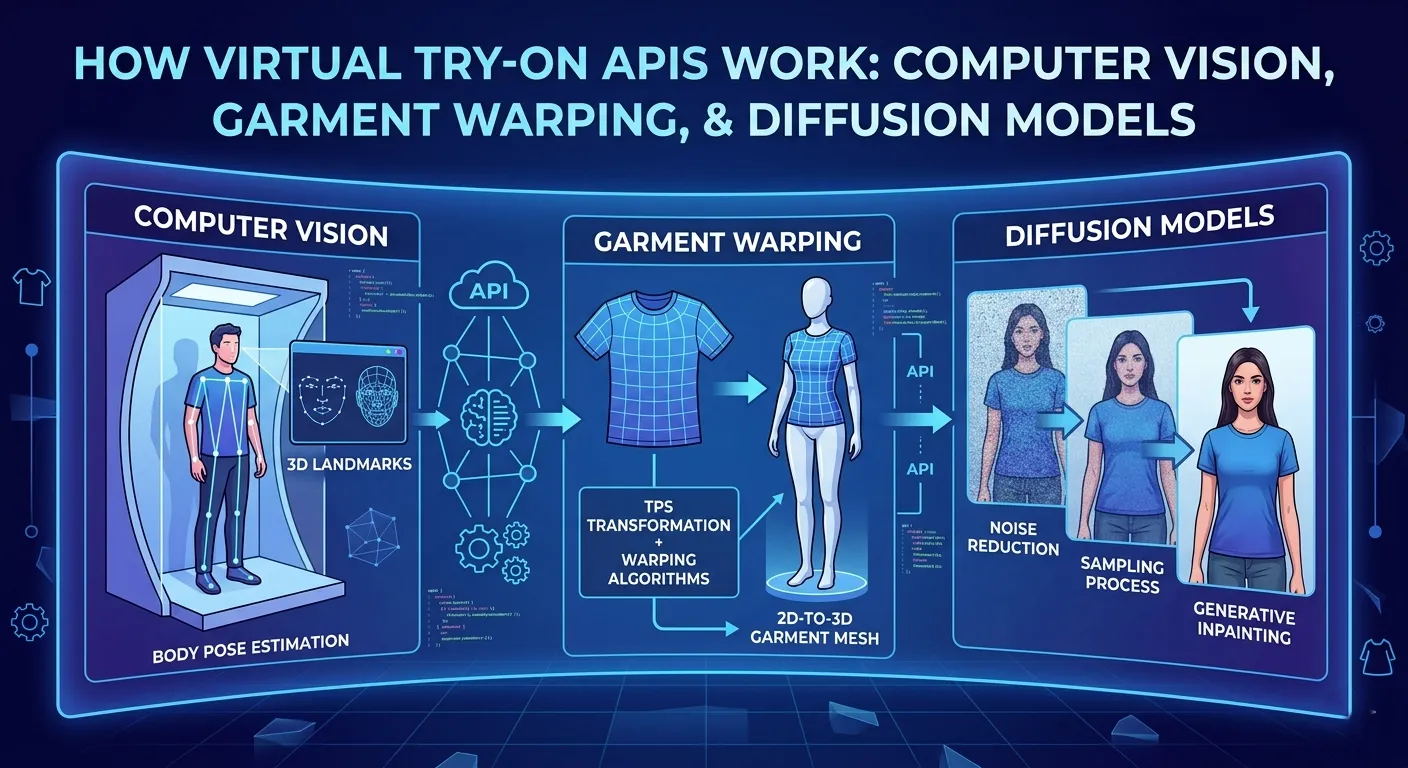
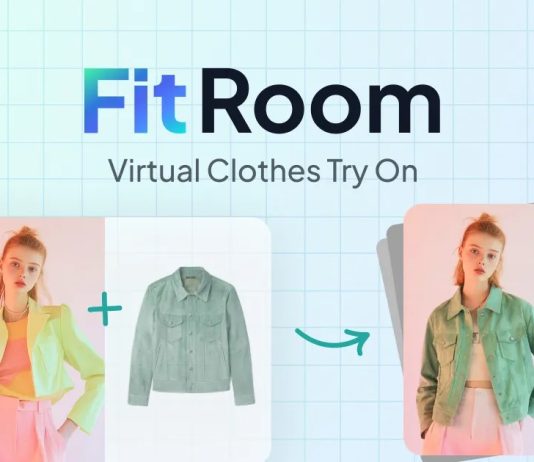


What is Virtual Try-On API: Ideas To Upscale Your Fashion Business (2026)
By allowing shoppers to see how products look on real people, or on themselves, virtual try-on directly addresses the confidence gap behind most online...
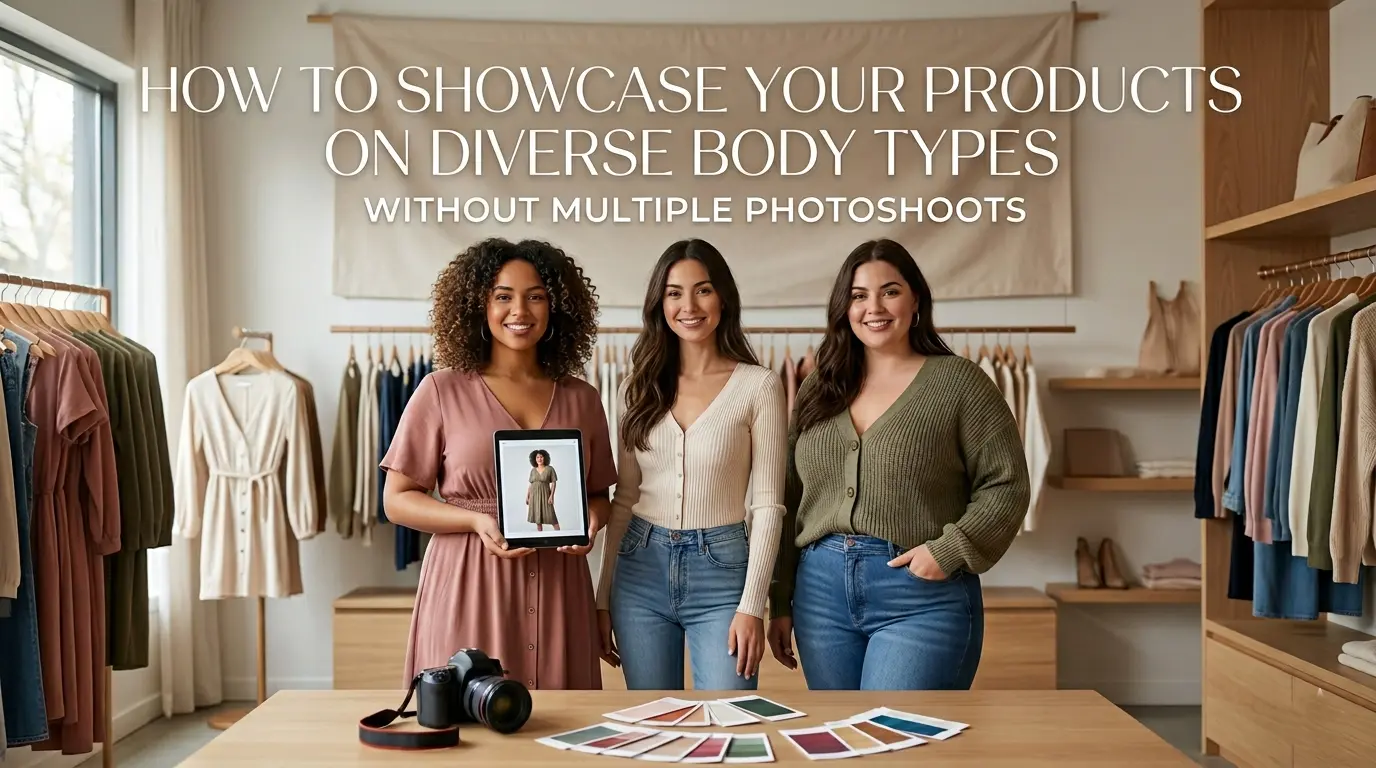
How to Show Clothing On Multiple Body Types Without Hiring More Models
Today's shoppers don't just want to see products, they want to see how those products look on people like them. But most fashion stores...
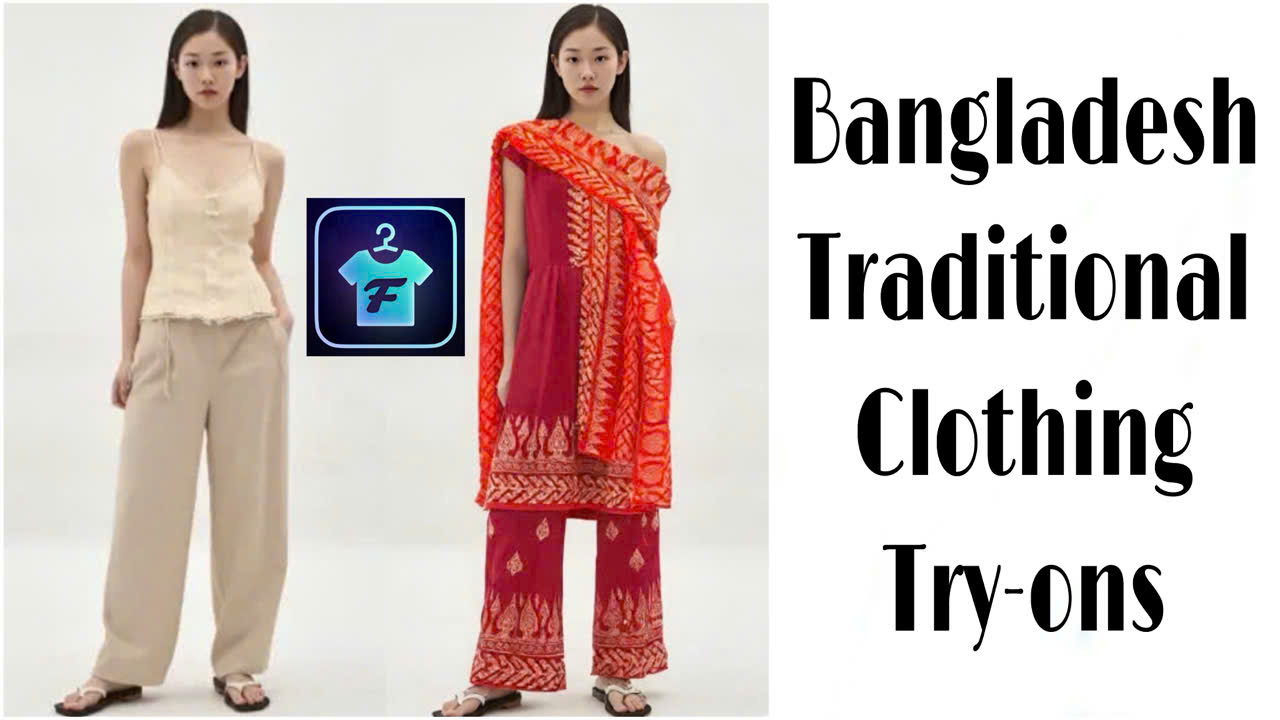
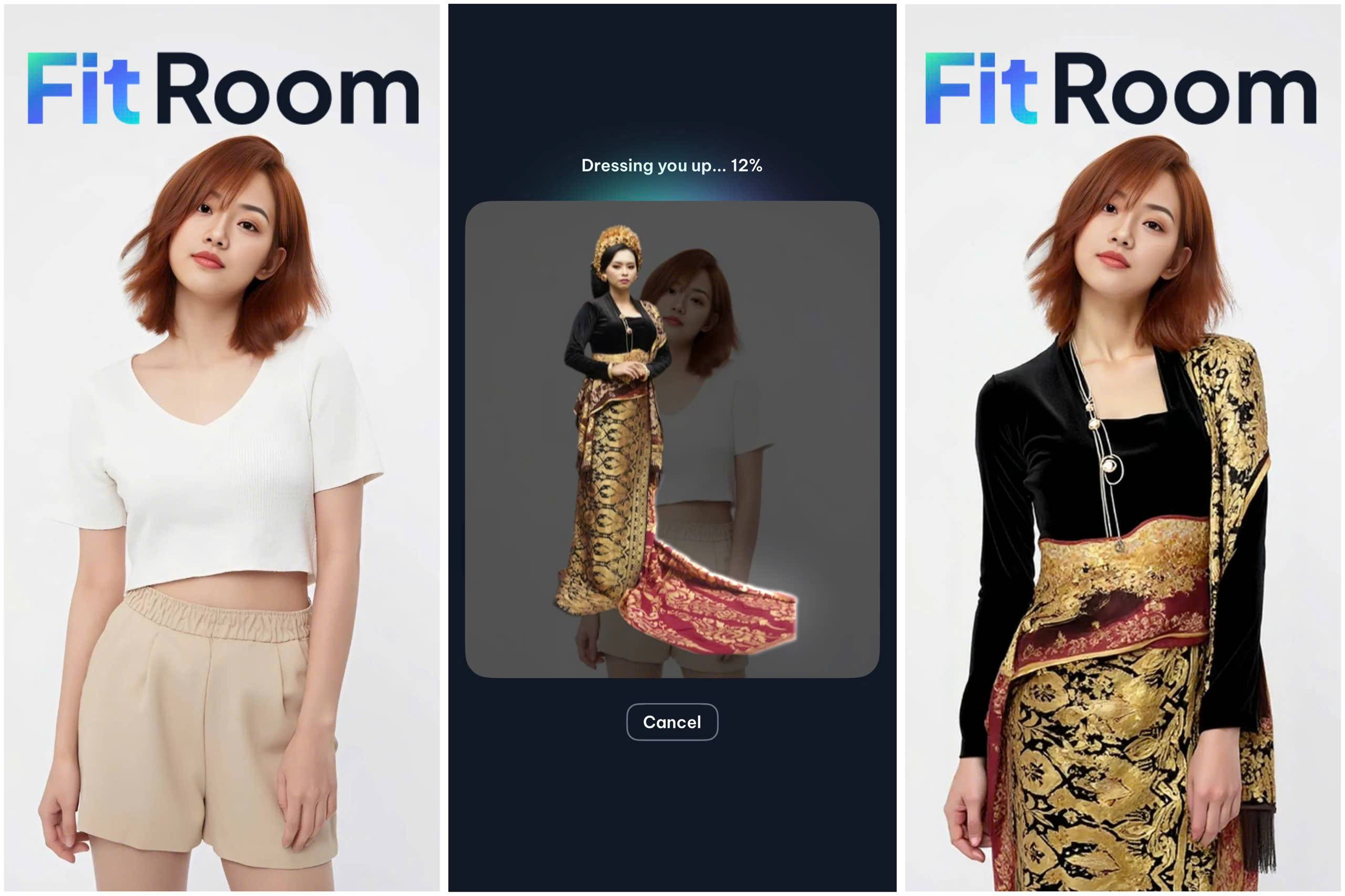
Virtual Try On Bangladesh’s Traditional Attire Online With FitRoom
Imagine strolling through the colorful streets of Dhaka during a festival. The scent of spices in the air, music echoing from every corner, and...
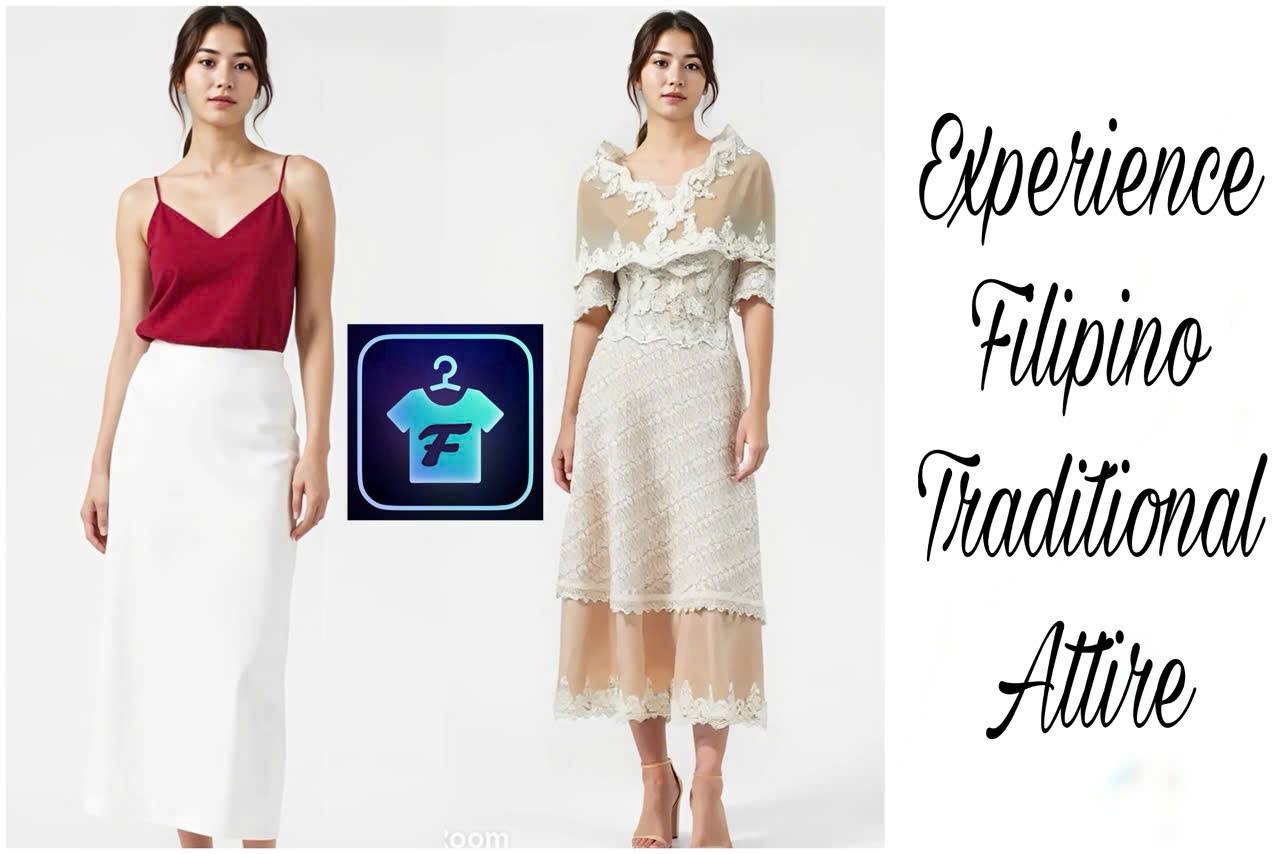
Filipino traditional attire and virtual try-on with Fitroom
In the Philippines, this magic lives on in garments that have dressed generations, from the graceful sway of a Baro’t Saya at a fiesta...
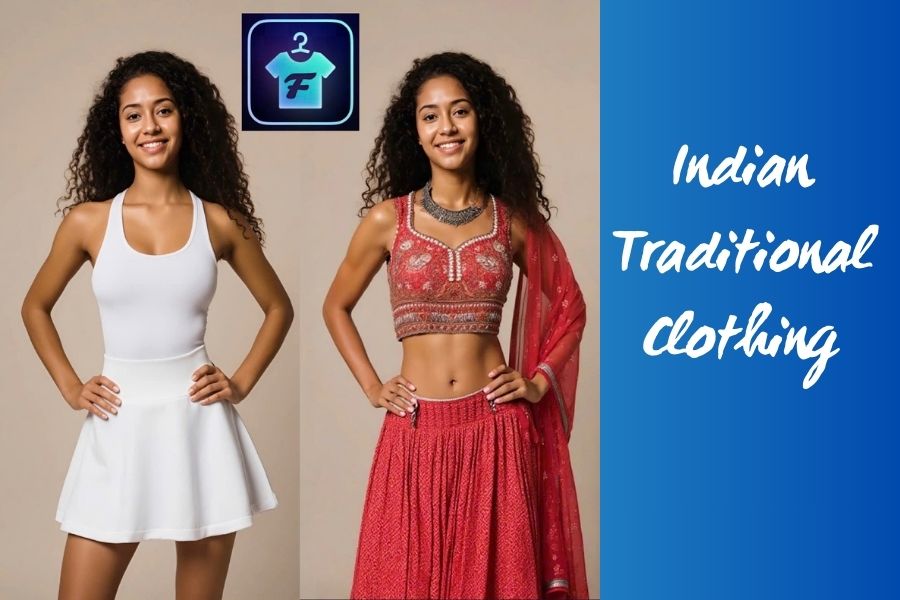
What Is Indian Traditional Wear? See How It Looks on You with FitRoom
Indian traditional wear is a beautiful reflection of the country’s rich culture and diversity. From the graceful drapes of a saree to the regal...
FASHN.ai Alternatives for Developers: Why Fitroom Is the Strongest Option
You don't have to look far to find FASHN.ai. It shows up in most "best virtual try-on API" lists, has clean documentation, and delivers...

How To Change Clothes Using AI? Fitroom’s Guideline
In this blog post, we walk you through the step-by-step process of how to change clothes virtually using AI with FitRoom. Whether you're browsing...

Try on Nepalese traditional wear online
From the snow-capped peaks to the bustling streets of Kathmandu, Nepal is a land rich in culture, history, and vibrant traditions, especially when it...
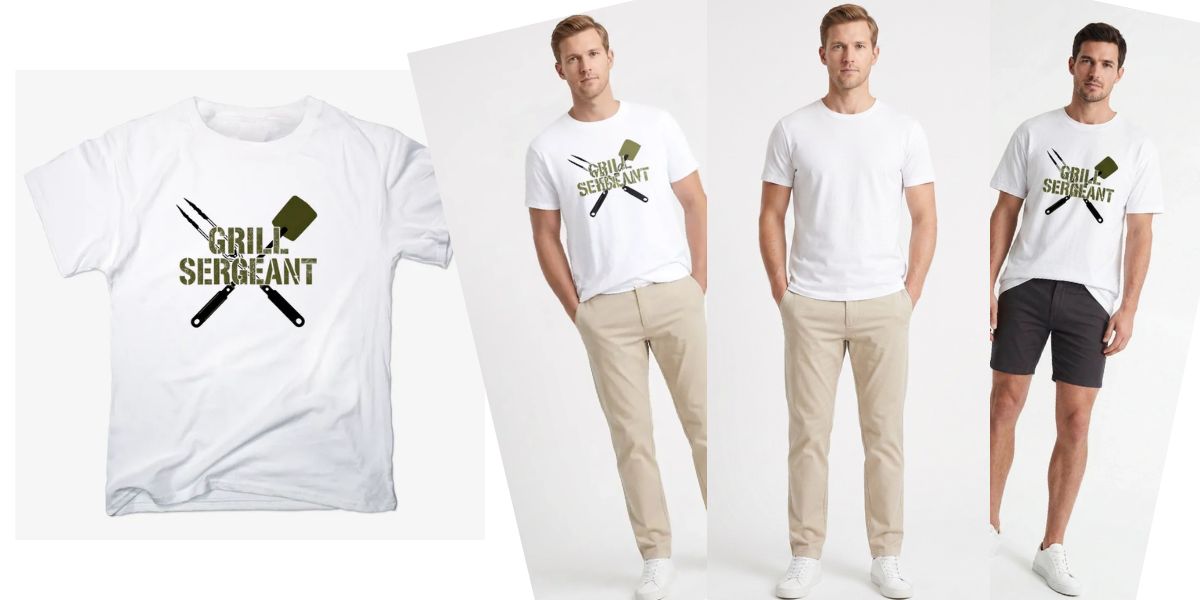
Best Virtual Try-On API Compared: Fitroom vs Claid vs Photoroom vs FASHN vs Kling
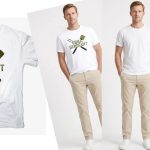
You don't need a photoshoot to sell clothes online anymore. A $35 API call can put 1000 t-shirt, hoodies images on a model in...

How To Create Clothing Images For Website Quickly, With $0
This guide will walk you through a step-by-step process on how to create clothing images for website or social media using FitRoom.
While taking a...
READING MORE

Open-Source VTON Models vs Managed APIs: The Real Build vs Buy Decision (2026)
Open-source virtual try-on models have gotten genuinely impressive. IDM-VTON, OOTDiffusion, CatVTON, you can find them on GitHub, download the weights, and run a demo...

How to Show Clothing On Multiple Body Types Without Hiring More Models
Today's shoppers don't just want to see products, they want to see how those products look on people like them. But most fashion stores...
How Fitroom Virtual Try-On API Works: Pipeline, Endpoints, and What Makes It Different
Most virtual try-on APIs work the same way on the surface: send two images, get one back. What differs is what happens between those...

FASHN.ai Alternatives for Developers: Why Fitroom Is the Strongest Option
You don't have to look far to find FASHN.ai. It shows up in most "best virtual try-on API" lists, has clean documentation, and delivers...
Best Virtual Try-On API Compared: Fitroom vs Claid vs Photoroom vs FASHN vs Kling
You don't need a photoshoot to sell clothes online anymore. A $35 API call can put 1000 t-shirt, hoodies images on a model in...